
When a dog keeps hacking and licking its lips, it can leave owners worried about whether the issue is minor or something more serious.
These signs may point to anything from irritation in the throat to more concerning medical conditions.
We outline the common reasons why dogs may keep hacking and licking their lips, what you can do at home, and when to seek veterinary help.
Table of Contents
Dog Keeps Hacking and Licking Lips — Why It Happens
A dog that keeps hacking and licking its lips is usually showing signs of throat irritation, nausea, or an underlying health problem. Dogs may hack if something is stuck in their throat, if they are experiencing kennel cough, or if acid reflux is irritating their stomach and esophagus. Lip licking often goes hand in hand with nausea, dental issues, or anxiety.
These symptoms together can mean a simple cause like eating too fast, or something more serious such as an infection, foreign object, or gastrointestinal condition that needs veterinary attention.
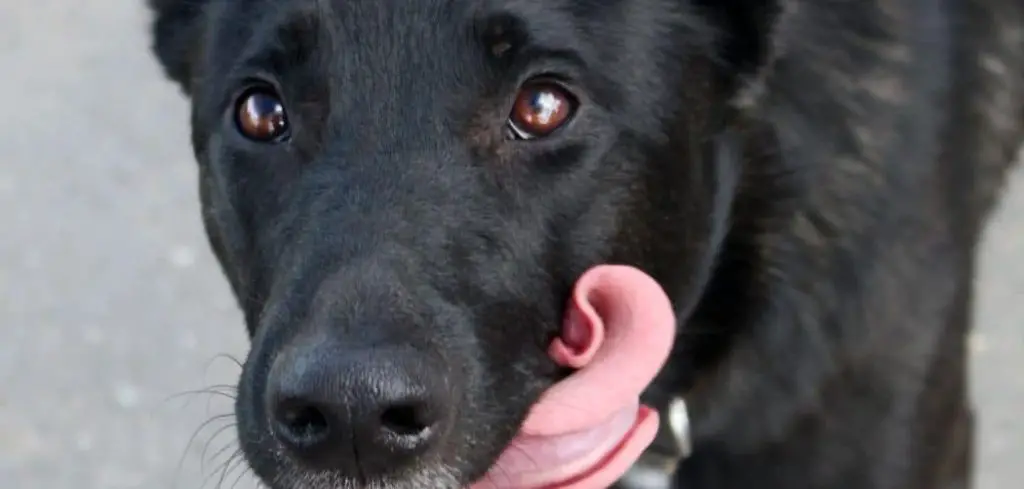
Dog Keeps Hacking and Licking Lips: Common Causes
Throat Irritation or Something Stuck
One of the most common reasons a dog hacks repeatedly is because something is irritating or stuck in their throat.
This could be a small piece of food, grass, or even a foreign object that was swallowed. As your dog tries to clear their throat, they may hack, gag, and lick their lips frequently.
Owners might also notice pawing at the mouth, drooling, or repeated swallowing. If the object doesn’t clear, it can cause distress and requires immediate vet care.
Read more: Why Is My Dog All of a Sudden Hacking (Here’s Why)
Kennel Cough
Kennel cough is a contagious respiratory infection that often causes a dry, hacking cough in dogs.
If your dog keeps hacking like they’re trying to clear something from their throat, kennel cough could be the culprit. Alongside the cough, you may notice lip licking, sneezing, and a runny nose.
While many cases resolve on their own, severe infections can progress to pneumonia, which is why hacking paired with lethargy or breathing changes should be taken seriously.
Nausea and Acid Reflux
Dogs often lick their lips excessively when they feel nauseous. If nausea is combined with hacking, it may point to acid reflux or another stomach issue.
In these cases, stomach acid can irritate the throat, causing the hacking, while nausea leads to lip licking. Vomiting, drooling, or refusing food may also be present.
Chronic reflux can cause damage to the esophagus, making it important to have ongoing symptoms checked.
Dental or Oral Issues
Sometimes, the problem is not in the throat or stomach but in the mouth itself. Dental disease, gum infections, or a cracked tooth can make dogs lick their lips frequently in discomfort.
When oral pain combines with hacking, it may be because saliva builds up, or the dog is trying to dislodge food from sore gums or between teeth. Bad breath, red gums, or visible tartar are common clues that oral health is the cause.
Anxiety or Stress
Dogs may also hack and lick their lips when they are stressed or anxious. This is often seen during car rides, fireworks, or vet visits.
Lip licking is a classic calming signal in dogs, while hacking may result from stress-related throat tightness or panting. If these signs appear only in stressful situations, anxiety is likely playing a role.
Long-term stress, however, can weaken a dog’s immune system and worsen other health conditions, so it should not be ignored.
Respiratory or Gastrointestinal Illness
More serious underlying illnesses, such as respiratory infections or gastrointestinal disease, can also cause both hacking and lip licking.
Respiratory conditions may produce hacking, wheezing, or labored breathing, while gastrointestinal disease often leads to nausea, lip licking, and loss of appetite.
If symptoms persist for more than a day or two, or if your dog’s overall health seems affected, a vet exam is essential.
What to Do If Your Dog Keeps Hacking and Licking Their Lips
If your dog is otherwise alert, eating, and drinking normally, there are a few things you can try at home.
First, check your dog’s mouth and throat area if they’ll allow it safely. Look for stuck food, grass, or any obvious irritation. If you can’t see anything but hacking continues, avoid trying to pull objects out yourself, as this can cause more harm.
Make sure your dog has access to fresh water at all times. Drinking can help soothe mild throat irritation or wash down something minor.
If you suspect nausea or acid reflux, offering smaller, more frequent meals may help reduce stomach upset. Avoid feeding fatty, spicy, or overly rich foods, which can worsen reflux.
For dogs with mild kennel cough or stress-related lip licking, keeping them rested, away from irritants, and in a calm environment can help. Avoid smoke, strong perfumes, or dusty areas, which can aggravate hacking.
However, if symptoms continue beyond 24–48 hours, or if new signs appear, it’s time to consult your vet.
When to Call or Visit Your Vet
Any time a dog is persistently hacking and licking its lips, veterinary input is a good idea. But there are specific signs that mean you should call or visit your vet right away.
If your dog is struggling to breathe, wheezing, or has a blue or pale tongue, it may be an emergency. These could indicate choking, a collapsed trachea, or serious respiratory illness.
If hacking is forceful and paired with vomiting, lethargy, or refusal to eat, gastrointestinal disease or infection may be involved. These require prompt veterinary care to prevent complications.
Blood in saliva, coughing up foam, or obvious pain when swallowing should never be ignored. Likewise, if your dog seems anxious or distressed and cannot settle, it’s important to get help quickly.
Senior dogs or dogs with existing health issues should always be seen sooner rather than later when these symptoms develop.
Read more: Dog Constantly Hacking (Explained)
Key Takeaway
If your dog keeps hacking and licking its lips, it may be something as simple as throat irritation or nausea, but it can also signal infection, dental problems, or even a more serious illness.
Pay attention to how long the symptoms last and whether other changes—like loss of appetite, lethargy, or breathing trouble—are present.
When in doubt, it’s always safer to have your dog checked by a veterinarian. With timely care, most causes of hacking and lip licking can be managed effectively, bringing relief to your dog and peace of mind to you.